Health Insurance in Japan: A Practical Guide for Expats
Japan's universal health insurance covers 70% of medical costs for all residents. Here's how to enroll, what's covered, and how much you'll pay.
YenWise Editorial
Japan personal-finance research for expats
Japan's universal health insurance system (国民皆保険 — 'health insurance for all citizens') is one of the best in the world. As a resident, you're legally required to enroll, and in return, the government covers 70% of all medical, dental, and prescription costs. Here's everything expats need to know about navigating the system.
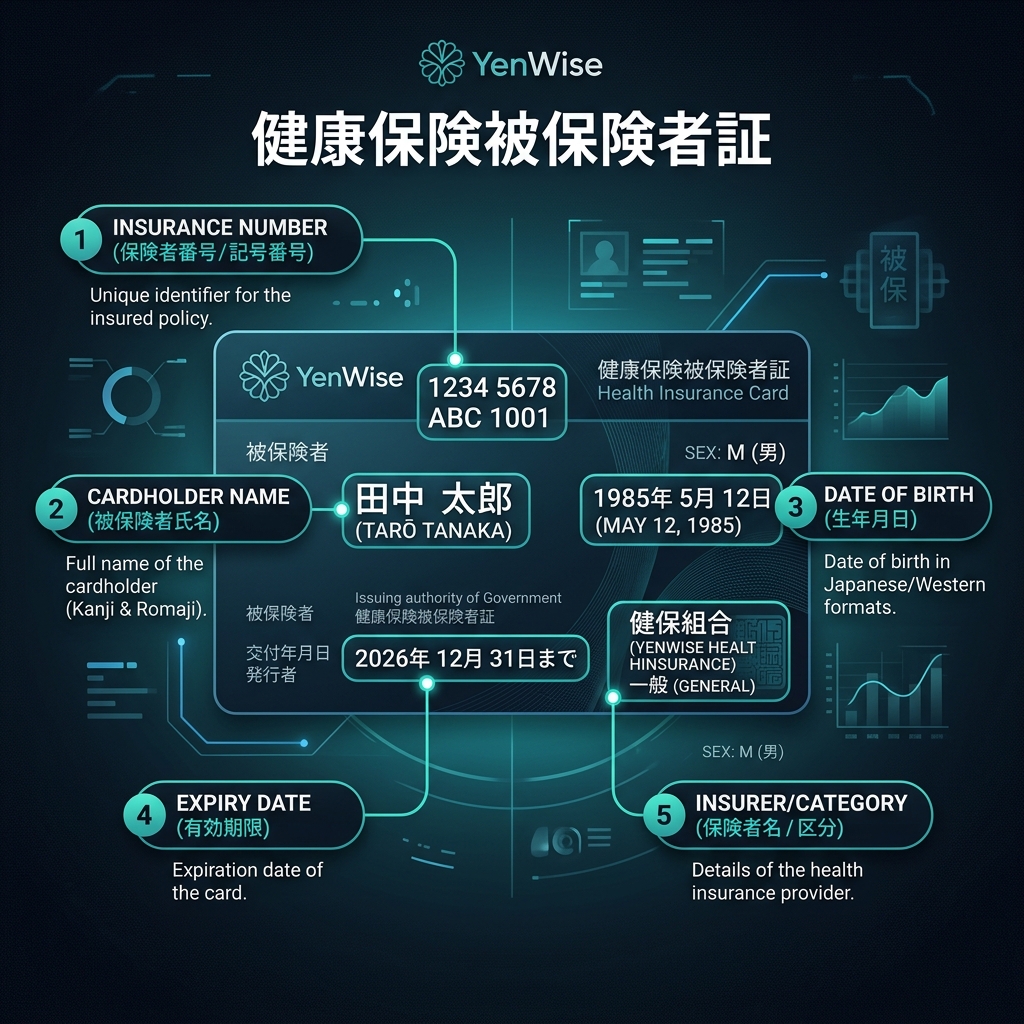
The Two Insurance Systems
Japan has two main health insurance systems, and which one you join depends on your employment status:
- Employees' Health Insurance (健康保険 / Kenko Hoken): For company employees. Premiums are ~10% of salary (split 50/50 with employer). Administered through your employer or a health insurance society (健康保険組合).
- National Health Insurance (国民健康保険 / Kokumin Kenko Hoken): For self-employed, students, unemployed, and those not covered by employer insurance. Premiums calculated by your municipality based on previous year's income.
What's Covered: The 70/30 Split
Under both systems, the coverage structure is straightforward:
- Standard care: You pay 30%, insurance pays 70%. This applies to doctor visits, hospital stays, surgeries, dental care, and prescription drugs.
- Catastrophic coverage (高額療養費制度): Monthly out-of-pocket cap based on income. For someone earning ¥5M/year, the cap is ~¥80,000/month. Above this, insurance covers 99%.
- Prescriptions: 30% co-pay. Generic drugs encouraged. Birth control is covered; morning-after pill requires prescription.
- Pregnancy/childbirth: NOT covered by standard insurance (considered 'non-illness'). But you get a lump-sum childbirth allowance (出産育児一時金) of ¥500,000 per birth from the insurance system.
How Much You'll Pay
Monthly premiums vary significantly between systems:
- Kenko Hoken (company employee): ~10% of salary, half paid by employer. Someone earning ¥5M/year pays roughly ¥20,800/month (their half).
- Kokumin Kenko Hoken (self-employed): Calculated by your ward/city on previous year's income. For ¥5M income in Shinjuku-ku, roughly ¥35,000-40,000/month. Higher because there's no employer subsidy.
- Retirees and dependents: Lower rates. Dependent spouses and children are covered for free under the primary earner's insurance.
The Annual Health Check (健康診断)
Employers are legally required to provide annual health checks (定期健康診断) to all full-time employees. The check includes blood work, urine analysis, chest X-ray, height/weight/blood pressure, and vision/hearing tests. It's free and conducted during work hours. If you're self-employed, your municipality offers subsidized health checks (typically ¥5,000-8,000 co-pay).
Seeing a Doctor in Japan: What to Expect
- Find a clinic (クリニック): For non-emergencies, go to a local clinic rather than a hospital. Search by specialty and language on the Japan National Tourism Organization's medical guide.
- Bring your insurance card: You cannot be seen without it (exceptions for life-threatening emergencies)
- Pay at the counter: You pay your 30% share immediately after the visit — no bills mailed later
- Prescriptions: Filled at a pharmacy (薬局) — usually separate from the clinic. Bring your prescription (処方箋) and insurance card.
Leaving Japan: What Happens to Your Insurance
When you leave Japan permanently, your health insurance ends on your departure date. You must return your insurance card to your employer (Kenko Hoken) or ward office (Kokumin Kenko Hoken). There are no refunds for unused contributions. If you return to Japan as a resident in the future, you simply re-enroll — your previous participation history doesn't affect eligibility.
Related Tools on YenWise
Health insurance premiums are a significant part of your tax calculation in Japan. To see how they affect your overall tax picture, try our Income Tax Calculator which includes social insurance deductions automatically. If you're contributing to iDeCo or planning your retirement, those contributions reduce your taxable income — and your health insurance premium if you're self-employed.